
Residential window replacement is a decision that shapes how your house feels every day. They affect curb appeal from the street, how much light you get in the kitchen on a gray February morning, whether you can crack one open for a breeze in May, and how much you spend heating the place through a long Michigan winter. For something so often taken for granted, they carry a surprising amount of weight.
The trouble is that there are so many different types of windows for houses, the moment you start researching, options pile up fast. Double-hung, casement, sliding, bay, bow, awning, picture, garden; every style comes with its own use case, price point, and quirks. It’s a lot to take in, and most homeowners haven’t shopped for windows since the last time they bought a house, if ever.
This guide walks through the most common window styles, what each one is recognized for, and how to think through the choice for your own home. The goal is to give you enough to walk into a consultation knowing what questions matter, not to make you an expert overnight.
The Most Common Types of Windows for Houses
There are a handful of window styles that show up in most West Michigan homes, and a few specialty options that come up when a homeowner wants something specific. Here’s how they break down:
- Double-hung windows have two sashes that slide up and down independently. They’re the most familiar style in American homes for good reason. You can open the top, the bottom, or both, which gives you flexibility for ventilation and makes them easier to clean since most modern versions tilt inward. They suit traditional architecture especially well, including colonial, craftsman, and farmhouse styles.
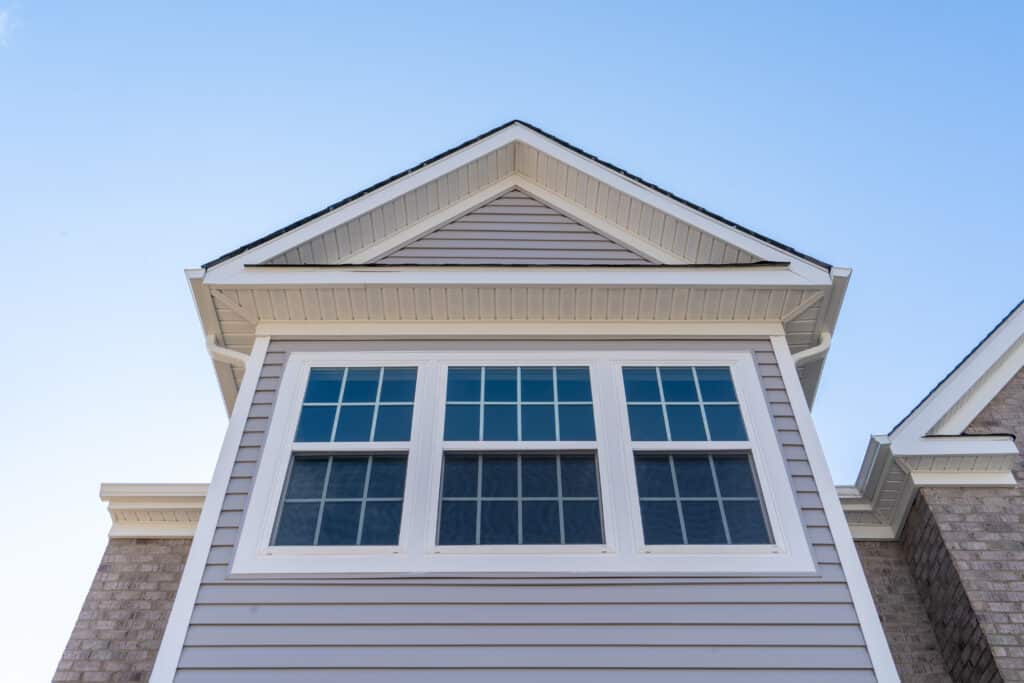
- Single-hung windows look identical to double-hung from the outside, but only the bottom sash moves. They cost less and have one fewer moving part to maintain, which is appealing on a budget. The trade-off is less ventilation flexibility and slightly harder cleaning from the inside.
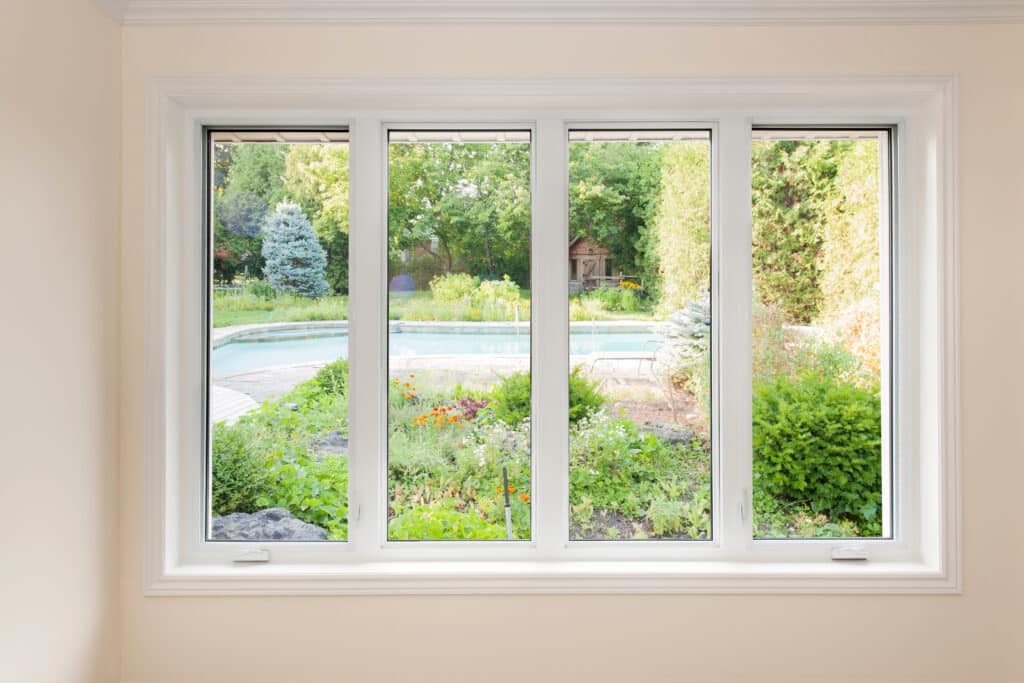
- Casement windows are hinged on the side and crank open outward like a door. They seal tightly when closed (which makes them one of the best performers for energy efficiency) and they open fully, which means more airflow than a hung window can offer. They work well in kitchens over a sink, in tight spaces where reaching up to open a sash is awkward, and in modern or contemporary homes.
- Sliding windows open horizontally on a track. They’re a clean, simple option for wide openings and rooms where a window can’t swing outward, like over a patio or porch. They’re easy to operate and tend to cost less than casement or double-hung.
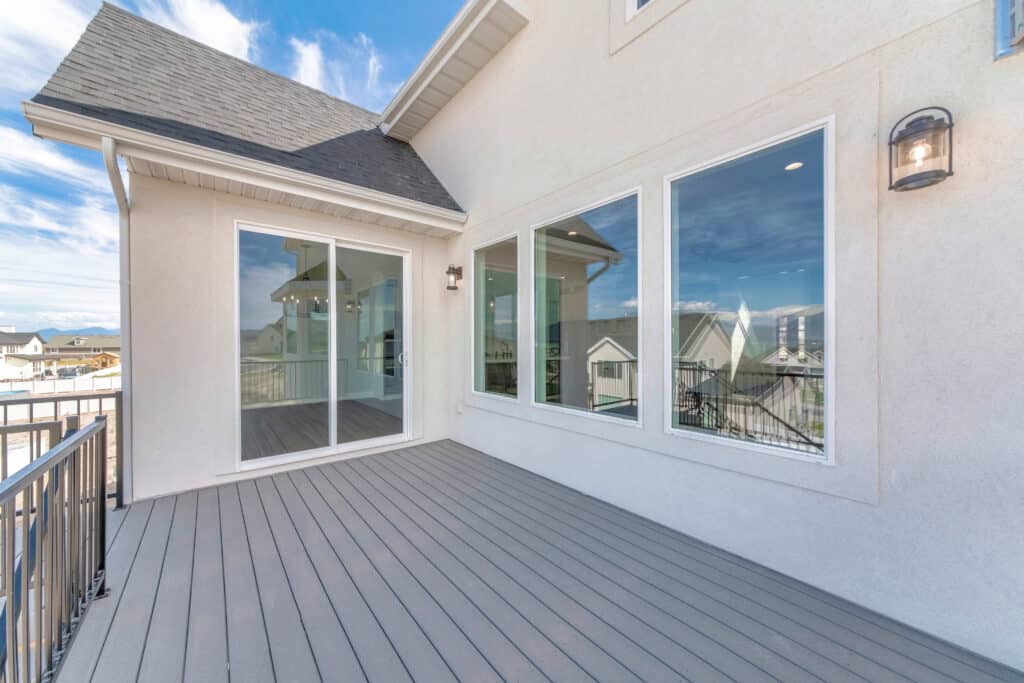
- Bay and bow windows project outward from the wall and create a small interior nook. A bay window is typically three panels at angles, while a bow window uses four or more panels in a gentler curve. Both add architectural character, more natural light, and usable space inside, often a window seat or display ledge. They’re a bigger investment than a flat window, but they change the feel of a room.
- Awning windows hinge at the top and open outward from the bottom. Because the open sash acts like a small roof, you can leave them cracked during a rain shower without water getting in. They’re often used in basements, bathrooms, or above larger fixed windows for extra ventilation.
- Picture windows are fixed panes that don’t open at all. The point is the view and the light, with no frames or sashes cutting through the glass. They’re often paired with operable windows on either side to add ventilation back into the mix.
- Garden windows project out from a wall like a small greenhouse, usually over a kitchen sink. They’re built for growing herbs and small plants and bring a lot of light into a kitchen. They’re a niche choice, but they have a devoted following.
How to Choose the Right Window Type for Your Home
Style is the obvious starting point, but it isn’t the only consideration. The right window depends on the room’s function, the house’s layout, and what you need from each opening.
The room’s purpose matters more than people think. A bedroom benefits from a window that opens fully for fire egress and summer airflow. A bathroom needs ventilation and privacy. A living room might prioritize a view and natural light over operation. A laundry room or basement can get by with something smaller and harder-working.
Ventilation needs should drive the choice when airflow matters. Casement and awning windows open fully, so they pull in significantly more air than a hung window with only half the opening clear at any time, whereas sliding windows fall somewhere in between.
Natural light is often the deciding factor on the front of the house, especially in north-facing rooms that don’t get much direct sun. Picture windows and bay or bow combinations maximize glass area, while hung windows with thicker frames let in less.
Privacy is worth thinking about for any window facing a neighbor, a street, or a sidewalk. Higher placement, frosted or textured glass, and smaller awning windows above eye level all help.
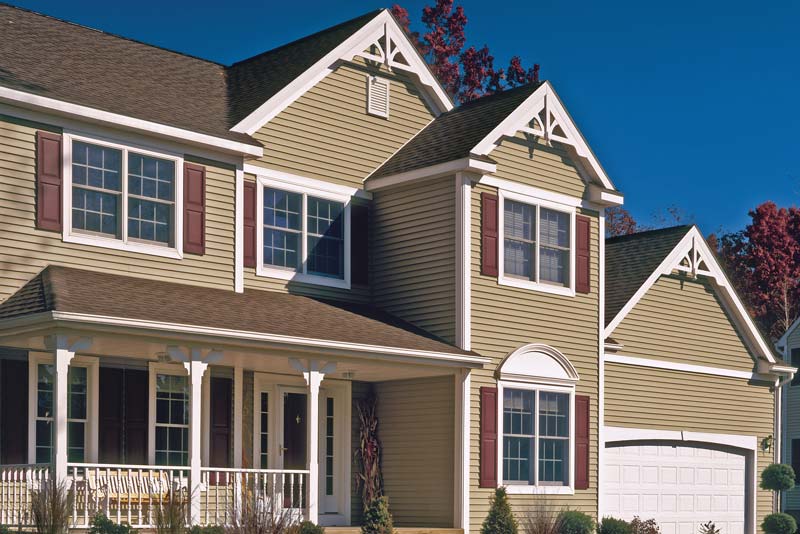
Architectural style is the last filter. A craftsman bungalow looks right with double-hung windows and divided lights. A modern home wants clean casements with minimal grid work. A traditional colonial benefits from symmetry, which usually means double-hung in matched pairs. Mixing styles within one home is possible, but it works best when there’s a clear logic to where each style appears.
Questions to Ask Yourself Before Choosing a Window Type
- What is the most common window type in residential homes? Double-hung windows. They’ve been the default in American homes for over a century because they’re versatile, repairable, and work with most architectural styles.
- What windows are best for energy efficiency? Casement windows generally seal the tightest because the sash closes against the frame with mechanical pressure. Fixed picture windows are also strong performers because they don’t open at all. The glass package matters, framing choices between double or triple pane, low-E coatings, and gas fills.
- What is the difference between single-hung and double-hung windows? A single-hung window has only one operable sash (the bottom one) and a double-hung has two, so you can open the top, the bottom, or both. Double-hung costs more but offers better ventilation and easier cleaning.
- What type of window is easiest to maintain? Modern vinyl-frame windows are the lowest-maintenance option across the board: no painting, no staining, no rot. Among styles, fixed picture windows have the fewest moving parts to worry about, followed by sliders and hung windows.
- Can I mix different window styles in the same house? Yes, and it’s common. Most homes use a primary style for consistency (often double-hung or casement) with specialty windows in specific rooms (picture windows for views, awnings in bathrooms, a bay window in a living room). The key is intentional placement, not random variety.
J&S Siding Window Replacement
J&S Siding has been a home exterior contractor since 1999, and that shapes how we approach windows. Most window companies work inside the existing opening, fitting a new window into the old frame, which means the size of the window is locked in, the condition of the existing frame and flashing stays mostly hidden, and the siding around the window has to be disturbed and patched back together by a separate crew.
We work the opposite way. With the siding off, we install new construction windows, the kind that go directly into the wall structure, the way it was done when the house was built. That way, the window is sized correctly for the opening rather than the other way around. The flashing and weather barrier get installed properly behind the siding, and there’s no patchwork around the frame because the siding goes on after the window is set.
The product we install is JELD-WEN. JELD-WEN backs their residential vinyl windows with a limited lifetime warranty for as long as you own the home, with 10 years of transferable coverage.
Crew leaders at J&S average 10+ years with the company. When we replace a window, we’re already thinking about the jambs, the flashing, the siding interface, and the weather barrier, not just the glass. The whole opening has to perform, and that’s the part many window-only companies aren’t set up to handle.
If you’re thinking about residential window replacement, ask about a full exterior assessment. Even if siding isn’t on your radar right now, knowing how the two systems age together (both typically last 30 to 40 years) can change how you plan the project. Schedule a free estimate with J&S Siding and we’ll walk the house with you.