
Asbestos siding is something most homeowners don’t think about until they have to. Before you plan a siding update, make sure you know what is on your home.
Asbestos siding was commonly used in mid-century homes, and while it is durable, it comes with some concerns. In this guide, we will help you learn how to identify asbestos and what to do next if your home has it.
What Is Asbestos?
Asbestos is a naturally occurring mineral found in rocks and soil, once widely used in home construction for siding due to its resistance to pests, weather, and high heat. For decades, it was considered a reliable and low-maintenance option for homeowners.
By the late 1980s, asbestos was largely phased out after it became clear that the tiny fibers it releases can be extremely hazardous when inhaled. This can lead to long-term health issues if fibers are lodged in the lungs.
If you live in an older West Michigan home, there’s a chance that your home may still have asbestos siding. Not sure if yours does? Let’s go through some common indicators of asbestos siding and the next steps to take if you are considering a siding replacement.
How To Identify Asbestos Siding
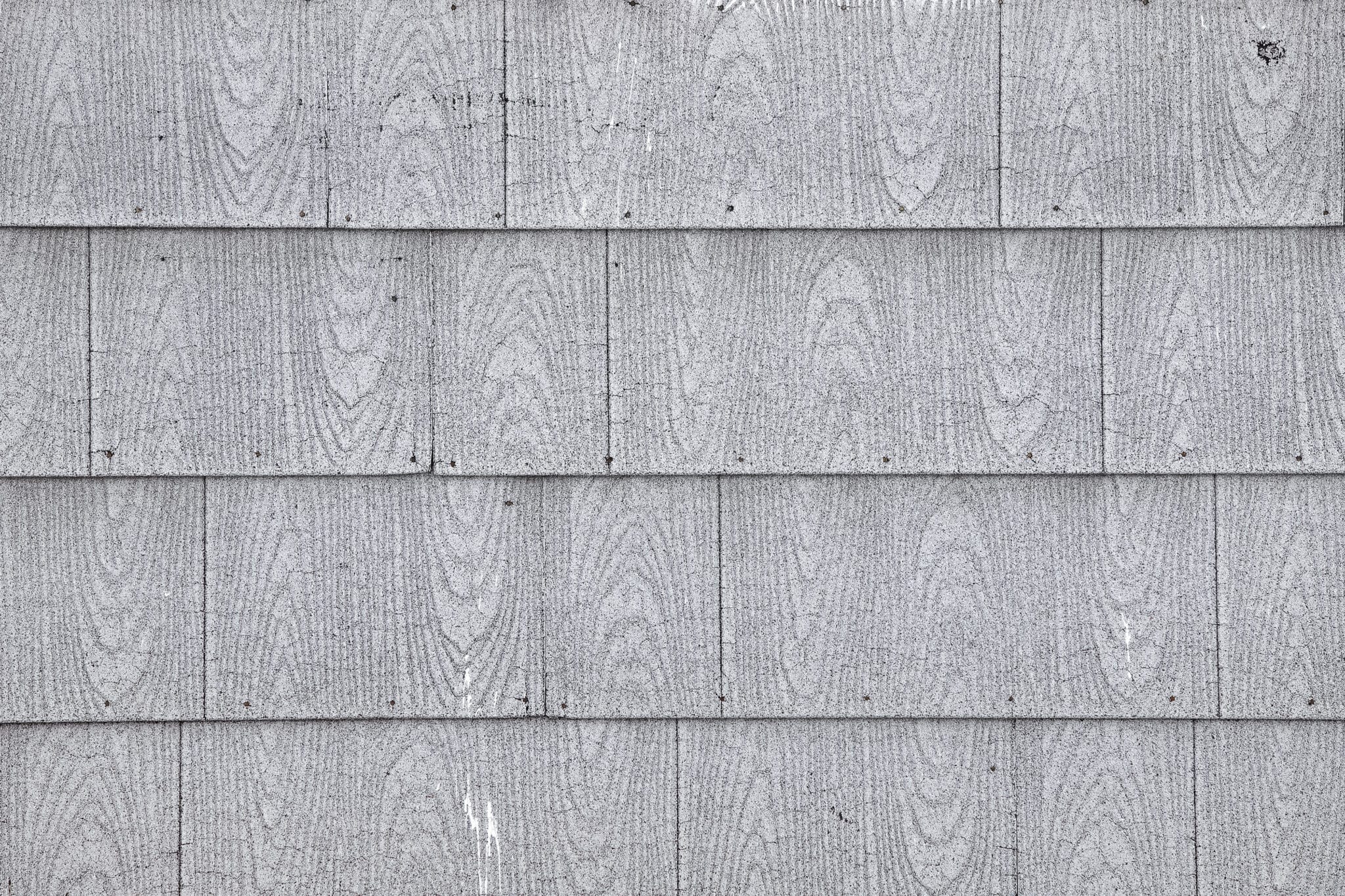
Knowing the signs of asbestos siding can help you make informed decisions about your home’s exterior. There are several key indicators you can look for to determine if your siding might contain asbestos.
- Texture: Asbestos siding typically has a distinct grain pattern and may appear chalky or powdery, especially as it ages and becomes brittle.
- Installation Technique: Look closely at how your siding is attached. Asbestos panels were usually installed with two or three nails along the bottom edge of each panel.
- Age of Your Home: Homes built before the 1970s that have never had siding updates are more likely to contain original asbestos siding. If this fits your home, it is worth taking a closer look.
- Panel Size: Many asbestos siding panels were manufactured in the standard 12×24 inch size. This is another potential indicator if your siding matches this sizing.
- Lack of Markings: If you safely flip over a loose or extra panel, modern asbestos-free siding will often have a manufacturing code stamped on the back. Original asbestos siding typically does not have an indicator on it.
If you suspect you may have asbestos siding, it’s best to avoid disturbing it and explore professional siding replacement options to keep your home safe.
Asbestos Siding Removal Process
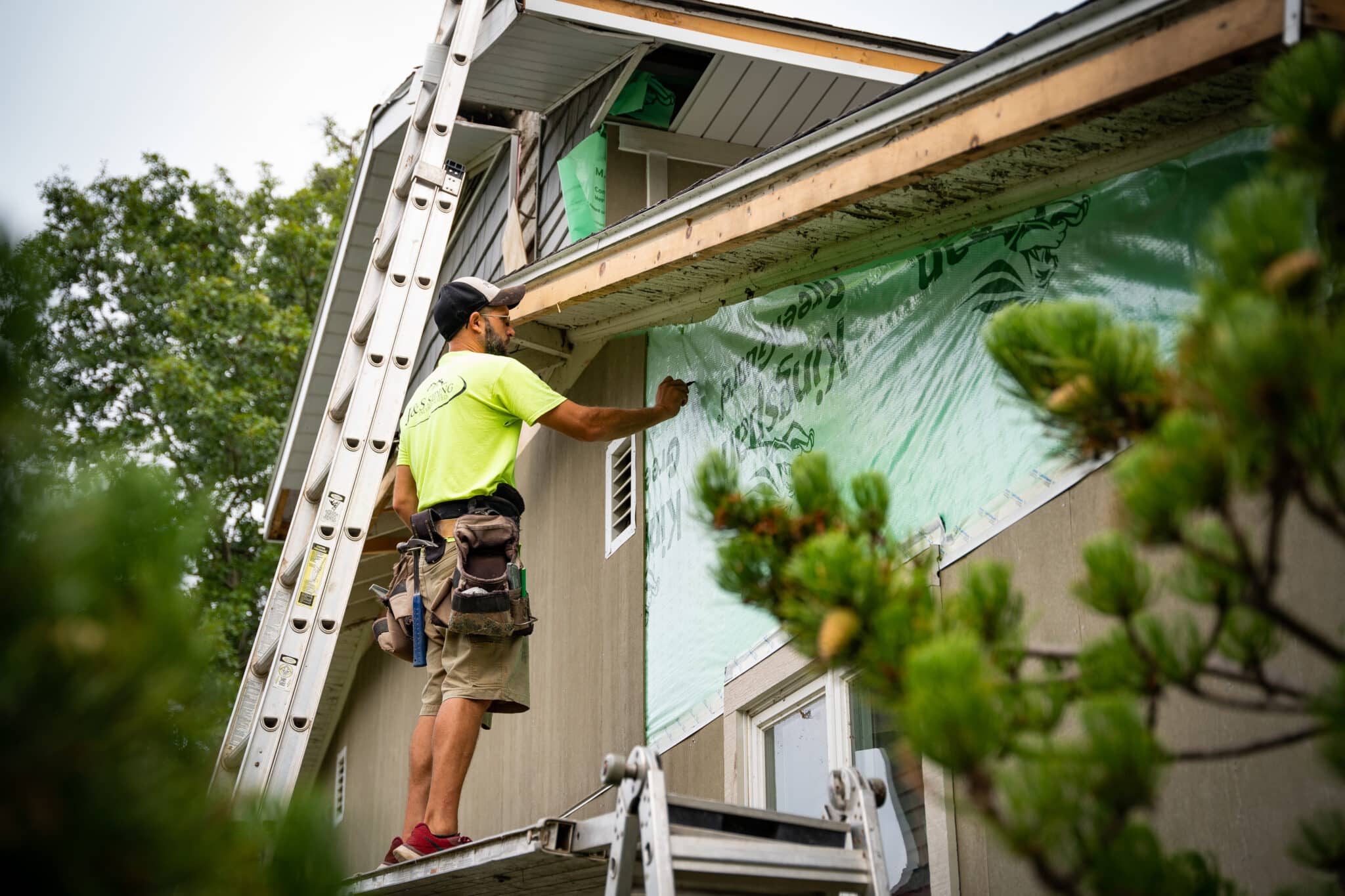
If you have identified that your home may have asbestos siding, keep in mind that full removal might not always be necessary. The best first step is to contact a professional who can assess the condition of your siding and recommend the safest course of action.
In some cases, leaving the siding as is may be an option. If the asbestos siding shows no signs of damage or wear, it generally poses little immediate health risk. This approach does include downsides, especially when it comes to your home’s resale value, as potential buyers may be wary of asbestos.
On the other hand, if the siding begins to chip, crack, or deteriorate, it becomes a potential health hazard. In these situations, complete removal and replacement of the siding is strongly recommended to protect you and your family’s health and ensure your home stays safe.

J&S Siding
If you’ve determined that your home has asbestos siding, it is important to have it assessed and, if necessary, removed by a licensed asbestos siding professional. This is essential to ensure the safety of your household.
Once removal is complete, J&S Siding can step in to give your home a fresh, updated look with safe, durable materials. As trusted Grand Rapids siding contractors, we specialize in expert siding installation and offer a variety of style to match your home’s aesthetic and boost long-term value.
Whether you’re updating for safety or curb appeal, our experienced team can guide you through the process and deliver quality results.