
What is Wood Composite Siding?
Wood composite siding is an engineered material designed to give you the natural look of real wood with improved durability and lower maintenance. It combines wood fibers with resins and binders to create panels that mimic the grain patterns and texture of traditional wood siding, while providing better protection against moisture, pests, and weather damage.
Homeowners choose it for siding replacement because they want the warm appearance of wood without the constant upkeep. Traditional wood siding requires regular painting, staining, and sealing to prevent rot and warping. Composite siding eliminates most of that maintenance while still delivering the curb appeal of natural wood.
While formulations vary, the core benefit remains the same: real wood aesthetics with enhanced performance and reduced maintenance.
Benefits of Wood Composite Siding
Authentic Wood Appearance
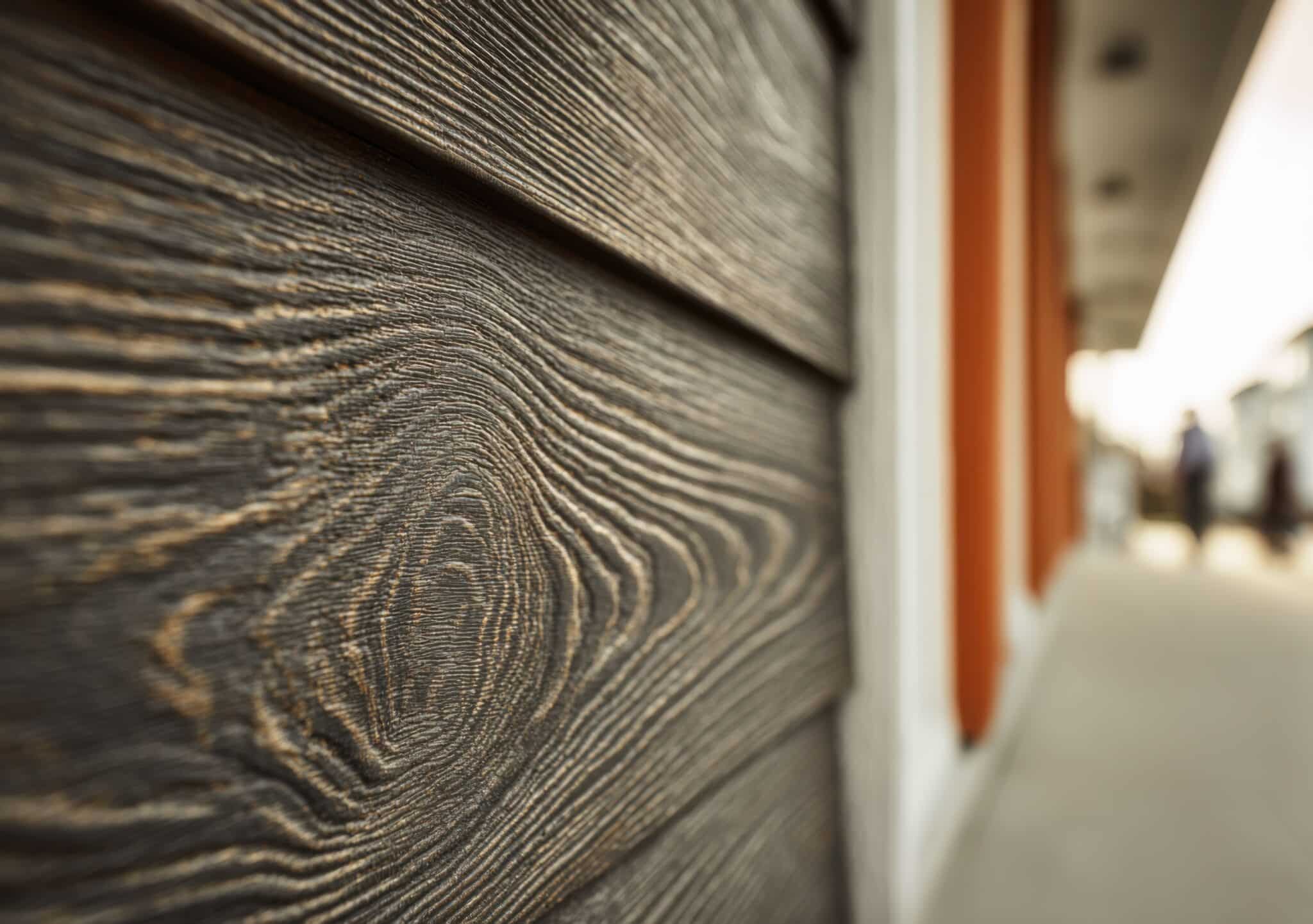
One of the biggest draws to wood composite siding is how closely it resembles natural wood. The material is manufactured to mimic the texture and grain patterns you’d find in real cedar, pine, or other wood species, giving your home that classic, warm exterior look.
Composite siding is available in a variety of styles to match different architectural preferences. You can choose from lap siding for a traditional horizontal look, shingles for added texture, or board and batten for a more rustic or modern farmhouse style. This versatility makes it easy to find an option that complements your home’s design.
Another benefit is customization. Wood composite siding can be painted to match your specific color preferences, giving you the flexibility to create the exact look you want. Manufacturers also offer stain-like finishes that replicate the rich, natural appearance of stained wood. LP SmartSide has introduced a new natural collection that provides authentic wood tones. Many manufacturers offer pre-finished options as well, which can save time during installation.
Durability and Weather Resistance
Wood composite siding is engineered to handle conditions that would damage traditional wood. The material resists moisture better than natural wood, meaning it’s less likely to develop rot or mold over time. This is especially important in climates like Michigan, where heavy snow, rain, and humidity can take a toll on exterior materials.
Composite siding also stands up well against pests. Unlike natural wood, which is vulnerable to carpenter ants, termites, and woodpeckers, the engineered construction of composite siding makes it far less appealing to these threats.
Over time, wood composite siding is less prone to warping, cracking, or splitting. Natural wood expands and contracts with temperature and moisture changes, which can lead to visible damage. Composite siding is designed to stay stable through these conditions, maintaining its appearance and structural integrity for years.
Lower Maintenance Than Natural Wood
One of the main reasons homeowners choose wood composite siding is the reduced maintenance compared to real wood. Traditional wood siding needs to be sealed or stained every few years to protect it from moisture and UV damage. Without regular upkeep, natural wood can fade or deteriorate quickly.
Wood composite siding eliminates most of that work. You won’t need to reseal or restain it regularly, and it holds up well to the elements without constant attention.
That said, composite siding isn’t completely maintenance-free. You should plan to clean it occasionally to remove dirt, dust, and debris that can build up over time. It’s also smart to inspect your siding periodically for any signs of damage, such as cracks or loose panels, especially after severe weather. Catching small issues early can prevent bigger problems down the road.
Cost-Effective Option
Wood composite siding typically costs less upfront than natural wood, making it a more budget-friendly choice for homeowners who want the look of wood without the higher price tag. While it’s not the cheapest siding option available, it strikes a balance between affordability and quality.
The long lifespan of composite siding also adds value over time. This durability means fewer repair costs and less hassle over the years.
Installing wood composite siding can also boost your home’s curb appeal and resale value. A fresh, well-maintained exterior makes a strong first impression, and the natural wood appearance is appealing to many buyers. If you’re planning to sell in the future, upgrading to composite siding can be a smart investment that pays off when it’s time to list your home.
Wood Composite Siding vs. Other Siding Materials
When choosing siding for your home, it helps to understand how wood composite stacks up against other popular options.
Wood Composite vs. Natural Wood
Wood composite and natural wood deliver a small aesthetic, but the performance differences are significant.
- Appearance: Both provide a warm, textured appearance that many homeowners love.
- Durability: Composite siding is engineered to be more durable and weather-resistant. Natural wood is prone to rot, warping, and pest damage, especially in climates with high humidity or temperature swings.
- Maintenance: Natural wood requires regular staining, sealing, and painting to keep it protected and looking good. Composite siding eliminates most of that work, saving you time and money over the life of your home.
If you want the look of the wood without the upkeep, composite is the better choice.
Wood Composite vs. Vinyl
Vinyl siding is one of the most affordable options on the market, and it’s low-maintenance and durable in its own right. However, there are many differences.
- Appearance: Vinyl typically has a smooth, plastic finish that’s easy to spot, while composite siding mimics the natural grain and texture of real wood much more convincingly.
- Cost: Vinyl is generally the more budget-friendly option upfront.
- Maintenance: Both are low-maintenance, but vinyl requires minimal upkeep overall.
- Curb Appeal: Composite offers a more authentic wood look that enhances visual impact.
If curb appeal and natural look are priorities for you, wood composite is the stronger option. Vinyl works well for homeowners focused primarily on budget and minimal maintenance, but it won’t give you the same visual impact as composite.
Wood Composite vs. Fiber Cement
Both wood composite and fiber cement siding are durable, ling-lasting materials that resist moisture, pests, and weather damage. However, there are some key differences to consider.
- Durability: Fiber cement is known for its exceptional strength and fire resistance, making it a solid choice for homeowners in areas prone to wildfires or harsh conditions.
- Cost: Fiber cement installation can be more expensive due to its weight and labor-intensive installation process.
- Maintenance: Both materials are low-maintenance and can be painted to match your preferences.
- Installation: Wood composite siding is lighter and easier to work with, which can speed up the installation process and reduce labor costs.
The choice often comes down toy our specific needs, budget, and priorities. If ease of installation and weight are concerns, wood composite may be the better fit. If maximum durability and fire resistance are top priorities, fiber cement is worth considering.
Transform Your Home With J&S Siding
J&S Siding is a West Michigan siding company over 20 years of experience helping homeowners choose and install the right siding for their homes. We’re committed to quality workmanship and customer service, our experienced installation crews have decades of combined experience, and we work closely with homeowners throughout the entire process from material selection and design to installation and final walkthrough.
We understand that replacing your siding is a significant investment, and we take the time to make sure the project is done right.
Ready to upgrade your home’s siding? Schedule a free consultation with J&S Siding today and let us help bring your vision to life.